



A value-driven approach to purchasing inks, coatings, and digital solutions in a competitive market

In print production, ink is often treated as a line item rather than a system. Price per pound is easy to compare and easy to document, which makes it a convenient metric for purchasing decisions. But convenience does not equal accuracy.For printers, converters, and brand owners operating in complex production environments, price alone rarely reflects the true cost or the true benefit



 Beverage cans compete in a crowded aisle, where graphics and impact decide the sale. High-impact graphics demand attention, sustainability claims raise expectations, and
 The Make America Healthy Again (MAHA) initiative, launched under the leadership of Health and Human Services Secretary Robert F. Kennedy Jr., signals a significant shift in
 Antimicrobial coatings have become essential in package printing, offering a durable layer of protection against odor, stain and material degrading microbes while
 UV LED curing has emerged as an alternative to mercury-vapor lamps that results in lower cost of ownership through increased productivity, expanded substrates use, and
 One of the primary regulations we must understand when considering responsible chemical management and the materials used in printing inks is the Toxic Substances Control Act
 Coatings and varnishes offer many advantages, ranging from protection and durability to aesthetics and environmental benefits, making them essential in many industries and
 The sustainability of packaging is increasingly important to a product brand’s success in today’s competitive market. Consumers expect packaging to inform them about its
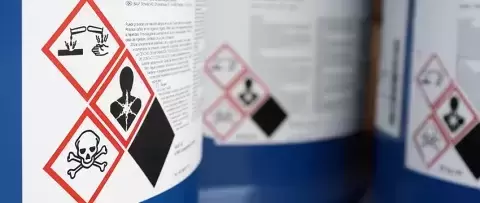 Using the Globally Harmonized System (GHS) of Classification for Labeling of Chemicals provides organizations with a common language for communicating hazard information. GHS
 Overview of four product and packaging drivers of brand owners and the specialty and functional inks and coatings that can help them address those drivers. The visual appeal