



Re-Engineering Spot Color Management for Global Brand Consistency

Consistent brand color is no longer a differentiator in packaging—it is a baseline expectation. CMYK workflows have largely achieved this baseline through decades of standardization, device characterization, and closed-loop control. Spot and brand colors, however, remain a persistent source of variability, even inside otherwise disciplined color-managed environments.The issue is not



 Low migration inks play a critical role in ensuring consumer safety and regulatory compliance in the food and beverage packaging industry. They not only protect health but
 UV LED curing has emerged as an alternative to mercury-vapor lamps that results in lower cost of ownership through increased productivity, expanded substrates use, and
 One of the primary regulations we must understand when considering responsible chemical management and the materials used in printing inks is the Toxic Substances Control Act
 The effective management of color tolerances in printing is essential for accurate and consistent color and to guarantee printed colors match the intended ones. However,
 The demand for recyclable and sustainable packaging that reduces waste continues to grow, further driving the need for designing new package structures. The industry’s shift
 The smart use of inks and coatings can contribute to a circular economy and help reduce material use, enable packaging reuse, and facilitate recycling. Regulatory policies,
 Many print service providers are familiar with the term G7, but what does it actually mean? In short, G7 is a calibration process used to improve the printing consistency and
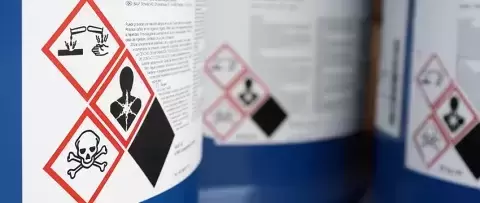 Using the Globally Harmonized System (GHS) of Classification for Labeling of Chemicals provides organizations with a common language for communicating hazard information. GHS
 Consistently producing a client’s exact color specifications requires a predictable color management system. As a leading ink and coating supplier with a team of Color