




Beyond Color: Tactile and Haptic Coatings in Packaging Enhances Consumer Engagement
Texture and sensory effects engage consumers, turning packaging into a powerful brand experience.
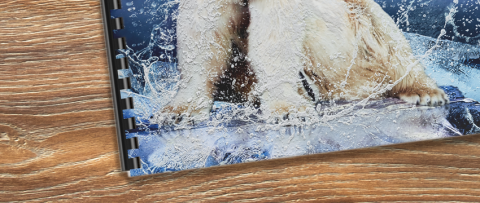
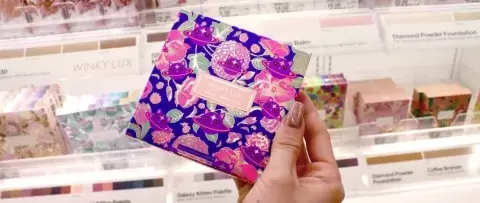
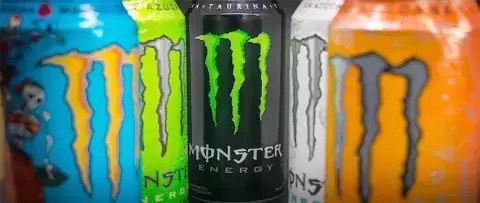
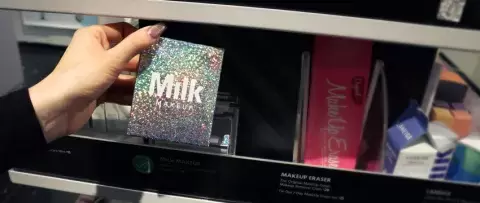
Color has long been a pillar of branding—but what if it wasn’t just about what you see, but also what you feel? Texture is transforming packaging across industries, turning ordinary surfaces into interactive experiences that stand out. Whether on cans, boxes, or printed materials, the power of touch elevates a brand’s identity in ways vision alone cannot. It’s more than appearance—it’s an invitation to engage, creating a deeper, longer-lasting bond with the product. This shift…? It’s tactile.
But it doesn’t stop there. Tactile coatings are one thing, but haptic coatings introduce a whole new sensory interaction. These coatings go beyond physical texture—they respond to touch in ways that engage with subtle changes in temperature or pressure. While tactile coatings like softfeel or raised textures allow you to feel the design, haptic coatings create interactive experiences by adding responsiveness.
Common applications include footwear, soft goods like furniture, automotive interiors, and even textiles. These coatings are designed to react to user interaction, offering features like varying resistance or changes in temperature. For example, in smartphones and automotive controls, haptic feedback provides a dynamic response, enhancing user experience and creating a bond that is not just visual but felt on a deeper level.
What Are Tactile Coatings? Benefits for Brands and Packaging Converters
Think about the last time you picked up a product that just felt different. Maybe it was the velvety softness of a high-end brochure. Or the subtle texture on a sleek aluminum can. That’s no accident. You noticed it. You remembered it. And that’s the quiet power of tactile effects.
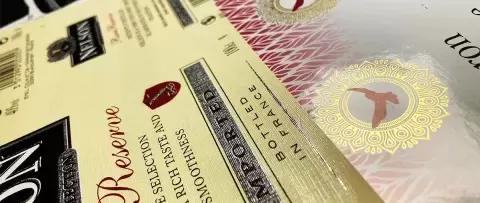
Special aqueous and UV coatings turn packaging into an experience. They don’t just make your products look good—they engage consumers and make them feel something. Tactile coatings like Softfeel, embossed textures, raised prints, and other unique finishes add depth and dimension that consumers can touch, creating an emotional connection with your brand.
These coatings don’t just enhance the aesthetics– they can protect, too. From moisture resistance to sun damage, coatings ensure your products stand up to the rough-and-tumble of shipping, handling, and display. It’s not just about aesthetics—it’s about creating packaging that performs, stands out, and builds consumer trust.
Haptic Coatings vs. Tactile Coatings: Key Differences and Considerations
While tactile coatings engage the sense of touch, haptic coatings elevate the sensory experience by responding to touch. These coatings don’t just shape the surface—they stimulate the brain, adding a layer of sensory depth. They engage with subtle changes in temperature or pressure, creating a truly interactive experience. Whether a soft, inviting finish or a more pronounced texture, haptic coatings create an impression that lingers.
Take Chanel, for instance—known for their excellence in packaging. It doesn’t just look luxurious; it feels luxurious. Much of their packaging, with embossed textures and raised prints, blend tactile and haptic effects, creating a connection that’s as unforgettable as the brand itself. These thoughtful touches turn a simple box into a moment, elevating the product into an experience. By integrating both tactile and haptic coatings, brands can create multi-sensory packaging that connects with consumers on a deeper level, turning simple interactions into lasting memories.
Future Trends in Packaging: Tactile Coatings That Drive Consumer Impact
Tactile coatings transform packaging into multi-sensory experiences, engaging both sight and touch. Some coatings enhance visual appeal, while others create physical sensations that deepen consumer connection. Here’s a breakdown of the different coatings and how they interact with the senses:
- Softfeel Coating: Suede/velvet-like matte texture for luxury packaging.
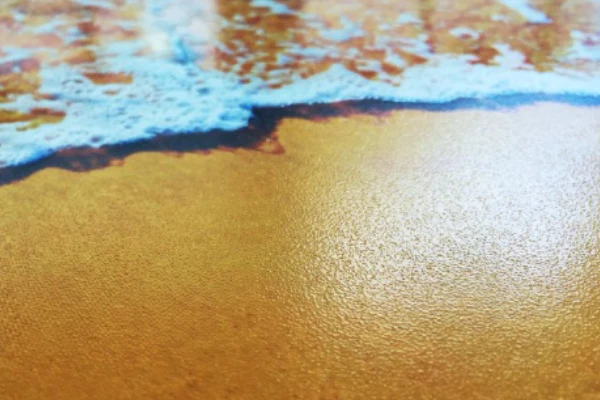
- Textured/Grit Coating: A rugged, tactile sensation for security printing and industrial packaging.
- Raised Image Coating: High-relief effect for branding and high-impact visuals.
- Pearlescent Coating: A luminous sheen adding depth to designs.
- Glitter Coating: Customizable sparkle in various colors and sizes for an eye-catching finish.
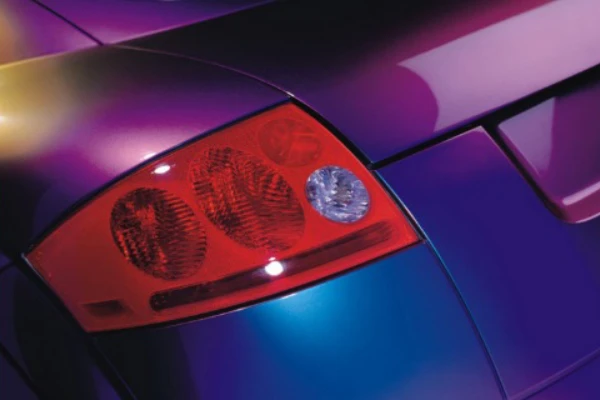
- Color-Shift Coating: Dynamic, interactive hue/effect that shifts based on viewing angle.
- Strike-Through & Contrast Effects: High-gloss UV coatings over matte finishes for bold visual contrast.
- Reticulation Effect: A satin finish that offers both visual and tactile intrigue through textured variations.
- Cold Foil (Metallic Finish): Precision-created metallic finish that catches light and draws attention for luxury packaging.
- Silver Foil Coating (Metallic Finish): A brilliant metallic shine that achieves a foil-stamped look without actual foil.







Optimizing Tactile and Haptic Coatings: Application Techniques and Performance Best Practices
Creating consistent, high-impact tactile and haptic coatings takes more than just the right formulation—it demands precision in every step of the application process. Whether you're enhancing a luxury label or adding a sensory element to flexible packaging, success depends on aligning materials, machinery, and environmental conditions.
Key Factors That Influence Coating Quality:
- Substrate Compatibility
Paper, foil, aluminum, plastic—each substrate reacts differently to coatings. Tailoring the approach ensures proper adhesion and sensory performance. - Environmental Conditions
Temperature, humidity, and press speed all influence how coatings flow, cure, and feel. Inconsistent conditions can alter tactile effects and coating durability. - Coating Viscosity and Particle Size
The tactile or haptic feel depends heavily on viscosity and how well it’s maintained throughout the run. Too thick or too thin, and the texture won’t deliver the intended effect. Particle size also influences surface texture and must match the application method.
Equipment and Application Considerations:
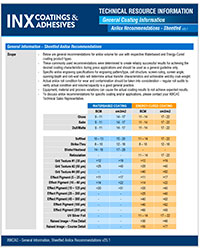
- Anilox Engraving
Line counts and volumes must align with coating viscosity and particle size to ensure even application and optimal texture transfer. - Pumping & Mixing Systems
High-viscosity coatings require precise pumping and inline mixing to prevent settling and maintain consistency. - Doctor-Blade & Blanket Materials
Using the right materials minimizes wear and ensures efficient coating transfer without sacrificing texture or finish quality. - Drying & Curing Systems
Whether using IR, HAK, or UV systems, drying and curing must be finely tuned. Premature drying can impact surface feel, while undercuring can affect durability and safety. - Standard Operating Procedures (SOPs)
Detailed SOPs for coating changeovers, equipment cleaning, and calibration help reduce waste and maintain consistency across production lines and shifts. - Customer-Specific Adjustments
Even the same coating may perform differently depending on location, press configuration, and operator technique. Flexibility and testing are key to dialing in the right settings.
By fine-tuning these variables, printers and converters can consistently deliver tactile and haptic coatings that not only meet brand expectations—but elevate the entire packaging experience.
Why Proofing Is Critical for Tactile and Haptic Coating Success
With tactile and haptic coatings, proofing isn’t just about what you see—it’s about what you feel. Here’s how to get it right before it hits production.
- Digital proofing locks in color accuracy before production—so there’s no second-guessing, no costly do-overs.
- Coating previews let you see it, feel it, tweak it. Adjust thickness. Fine-tune formulations. Get it right before press time.
- Color verification makes sure your hues hit the mark—because close enough isn’t good enough.
- Press proofing brings it all together, testing color and texture in real production conditions, so what you see is what you get.
- Coating performance testing isn’t just about looks. It’s about endurance. Scratch it, scuff it, put it to the test—because tactile effects should last as long as the impression they make.
How Tactile Packaging Influences Consumer Psychology and Brand Loyalty
Texture isn’t just a detail—it’s a powerful differentiator. Consider the soft grip of eco-friendly packaging, signaling environmental care, or the cool, sleek finish of luxury packaging, exuding exclusivity. These tactile cues do more than catch the eye; they forge an immediate emotional connection with the consumer. Neuroscientists have long studied how tactile experiences influence consumer behavior, showing that touch not only strengthens memory but also builds emotional connections. When customers feel something, it doesn’t just leave an impression—it stays with them. And that’s what brands want: to be remembered.
Tactile effects through specialty coatings and inks are not trends. They’re strategies. As brands look for deeper ways to engage, touch has emerged as a game-changing tool. A softfeel coating evokes warmth and comfort, while a raised logo exudes strength and confidence. This isn’t just about making packaging look good—it’s about creating an experience that customers can feel. And when you make that emotional connection, it turns one-time buyers into loyal advocates.
Whether it’s a sleek finish or bold raised patterns, texture makes a statement—physically and visually. This isn’t a niche anymore. In the near future, tactile effects won’t be just for innovators—they could very well be the standard. Packaging won’t just be something to look at. It’ll be something to experience. So get ahead of the curve—the revolution is here. And it’s tactile.
Partner With INX for High-Impact Tactile and Haptic Packaging Coatings
We help brand managers and packaging converters create packaging that stops shoppers in their tracks. Our specialty inks and coatings aren’t just about looks—they’re about making an impact. With effects that catch the eye and appeal to the senses, we give brands a shelf presence that speaks volumes. Learn more about our specialty inks and coatings, email INX to request our Special Effects Brochure.
About INX International: INX International is part of Sakata INX’s worldwide operations with full-service subsidiaries in the Americas, Europe and Australasia. We provide pioneering ink and coating technology with a deep commitment to sustainability – ensuring that we not only deliver superior products, service, and support, but also environmentally conscious printing solutions for commercial, packaging, and digital print applications.
INX International – Where color meets consciousness.
Learn more at www.inxinternational.com.
Share